Cultural Traditions From Around the World Worth Preserving
Explore unique cultural traditions from diverse regions and discover why preserving these practices is vital for heritage, identity, and community resilience. Learn about festivals, rituals, and everyday customs that enrich our global tapestry.
Cultural Traditions From Around the World Worth Preserving
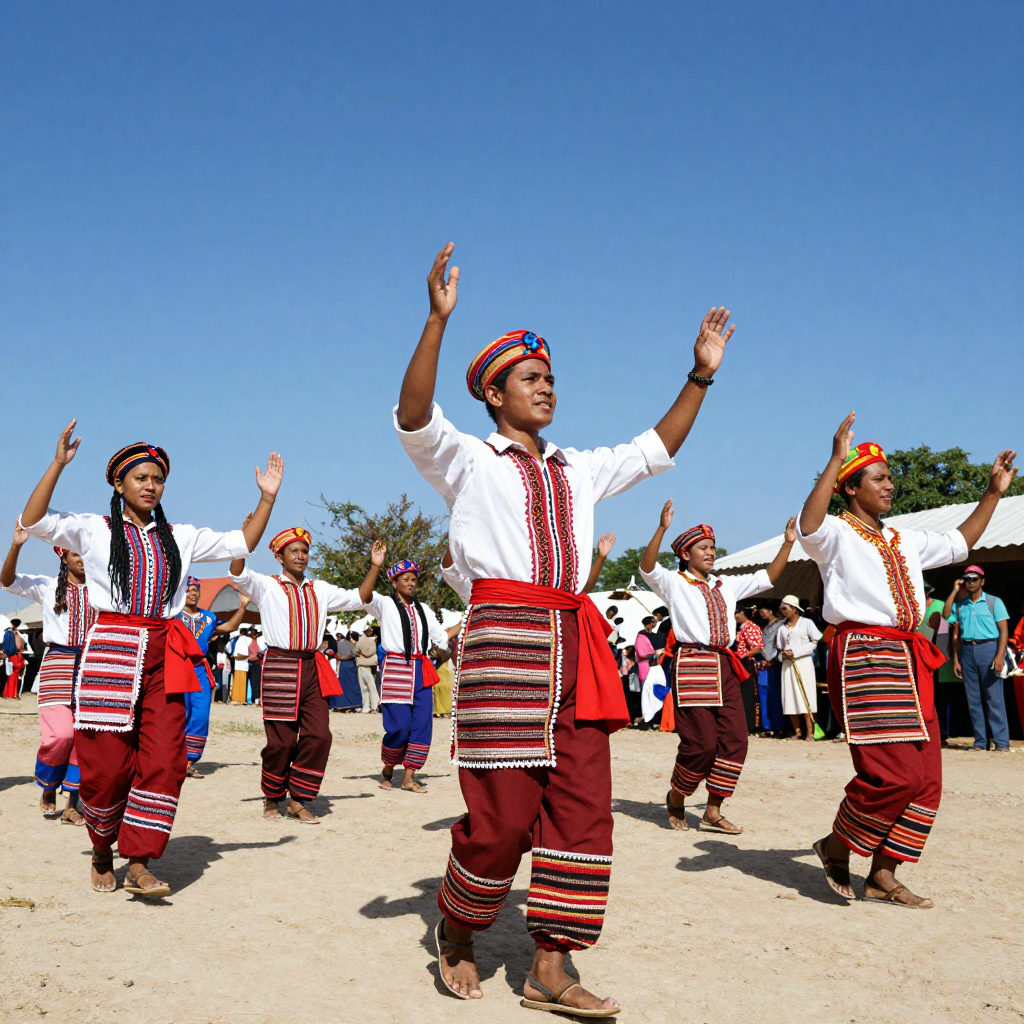
Across continents and continents, people celebrate life, honor ancestors, and strengthen community bonds through vibrant traditions. These customs, whether ancient or newly emerged, carry stories, values, and skills that define identity. Preserving them safeguards cultural diversity, fosters mutual respect, and offers future generations a living link to the past.
Why Preservation Matters
Traditions act as living archives. They teach language nuances, culinary techniques, and artistic expressions that textbooks often miss. When a ritual fades, so does a piece of history. Protecting these practices keeps communities connected, boosts local economies through cultural tourism, and promotes social cohesion in increasingly globalized societies.
Key Examples Around the Globe
1. Japan’s Gion Matsuri
Held every July in Kyoto, this centuries‑old festival showcases elaborate floats, street processions, and tea ceremonies. The meticulous craftsmanship of the floats reflects generations of carpentry and textile skills. Local artisans collaborate to maintain the tradition, ensuring that each float remains a testament to Japan’s heritage.
2. India’s Pongal Festival
Celebrated in Tamil Nadu, Pongal is a harvest festival that honors the Sun God. Families gather to cook a sweet rice dish, share stories, and perform traditional dances. The festival’s emphasis on gratitude and community cooperation strengthens regional identity and encourages sustainable farming practices.
3. Ethiopia’s Timkat Celebrations
Timkat, the Ethiopian Orthodox Epiphany, involves colorful processions, music, and the blessing of the water. The ritual’s use of dyed cloth and incense preserves ancient textile techniques and aromatic traditions, while the communal feast promotes unity among diverse ethnic groups.
4. Brazil’s Círio de Nazaré
Every November, millions of Brazilians journey to Belém to honor Our Lady of Nazareth. The procession features ornate floats, samba music, and intricate religious art. The event not only showcases Brazil’s artistic flair but also reinforces social solidarity across socioeconomic divides.
5. Native American Powwows
Across North America, powwows bring tribes together for dance, drumming, and storytelling. Traditional regalia, beadwork, and ceremonial songs preserve indigenous languages and histories, offering a living classroom for both Native and non‑Native participants.
Challenges Facing Traditions
Modernization, urban migration, and climate change threaten many cultural practices. Younger generations may feel disconnected from rituals that seem distant from everyday life. Additionally, commercialization can dilute authenticity, turning sacred customs into mere spectacles.
Strategies for Preservation
1. Documentation: Record oral histories, rituals, and crafts through video, audio, and written archives.
2. Community Engagement: Encourage local participation in festivals and teach skills to apprentices.
3. Policy Support: Governments can grant heritage status, provide funding, and integrate traditions into education curricula.
4. Responsible Tourism: Promote respectful visitation that benefits host communities without compromising authenticity.
How You Can Help
Visit local festivals, support artisans, and share stories online. By raising awareness, you contribute to a global effort that values diversity and keeps traditions alive for future generations.
Preserving cultural traditions is not merely about nostalgia; it’s a commitment to sustaining the rich tapestry of human experience. Each ritual, song, and craft carries a lesson that, when honored, enriches our shared world.
What's Your Reaction?