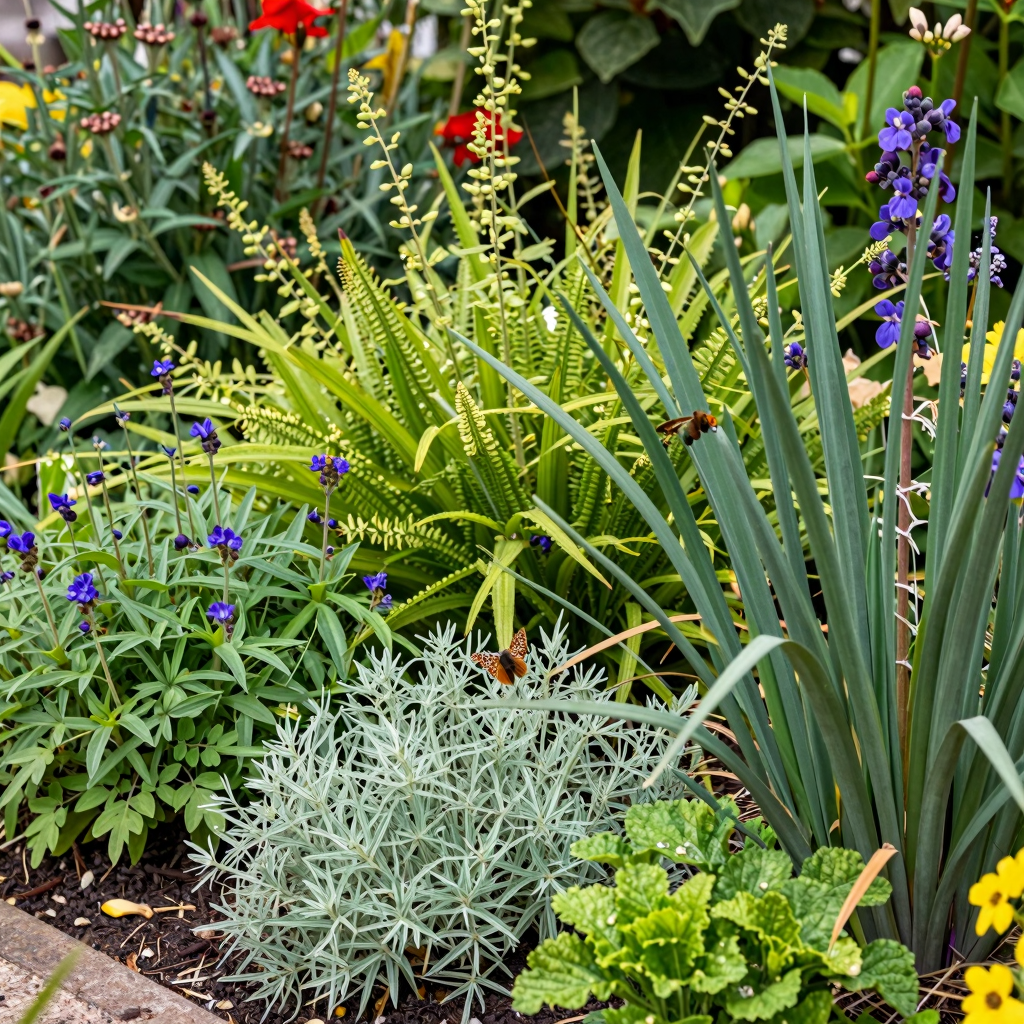
Composting Waste into Wealth: A Sustainable Gardening Practice
Discover the benefits of composting and learn how to turn your waste into a valuable resource for your garden
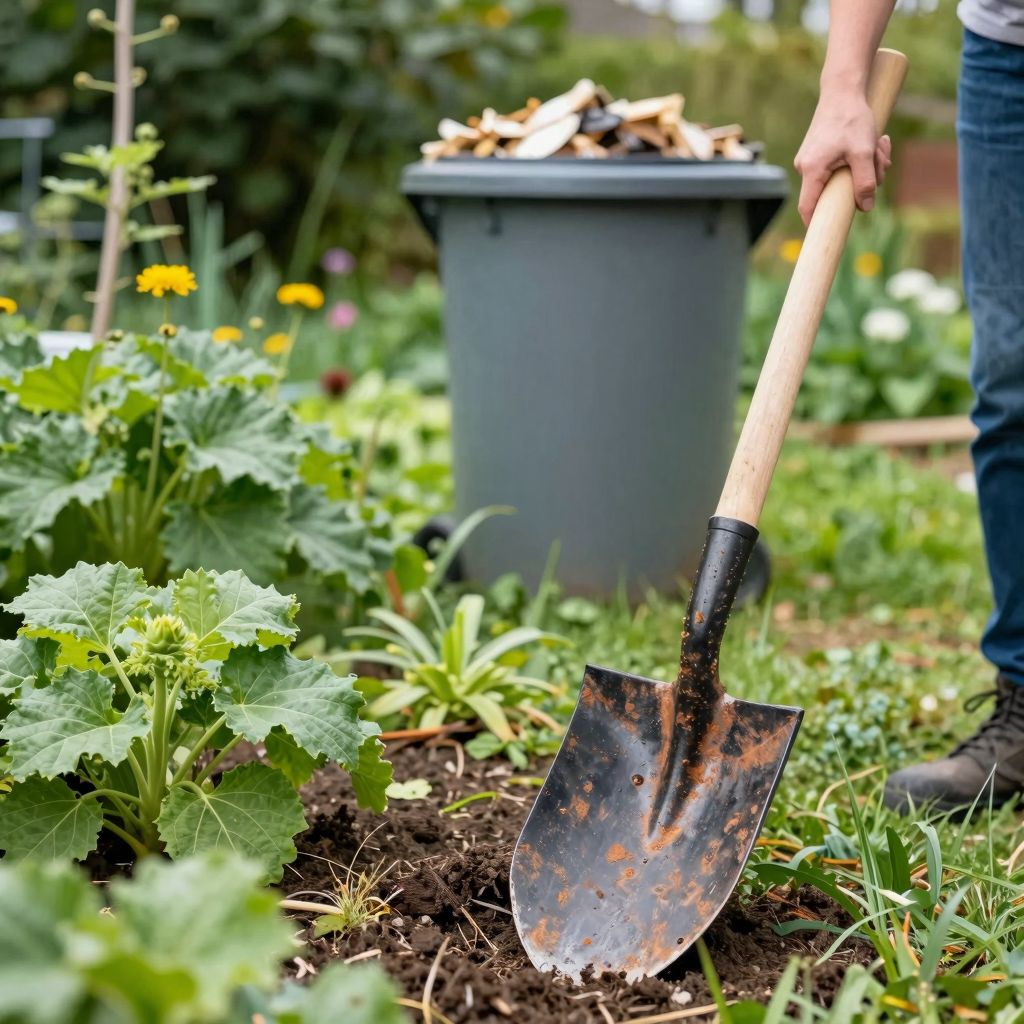
Composting Waste into Wealth: A Sustainable Gardening Practice
Composting is a simple yet effective way to reduce your environmental impact and create a nutrient-rich soil amendment for your garden. By turning your food waste and yard trimmings into compost, you can reduce the amount of waste sent to landfills and create a valuable resource for your plants.
The benefits of composting are numerous. Not only does it reduce the amount of waste in landfills, but it also helps to sequester carbon, reduce greenhouse gas emissions, and create a more sustainable gardening practice.
To start composting, you'll need a few basic supplies, including a compost bin, some brown materials (such as dried leaves or straw), and some green materials (such as food scraps or grass clippings). You'll also need to understand the carbon-to-nitrogen ratio and how to balance it in your compost pile.
The carbon-to-nitrogen ratio is the key to creating a healthy and balanced compost pile. A general rule of thumb is to use 2/3 brown materials and 1/3 green materials. This will create a pile that is rich in carbon and has a slightly acidic pH.
Once you've added your materials to the compost bin, you'll need to mix them together to create a uniform pile. You can use a pitchfork or shovel to do this. The pile should be about 3-4 feet high and have a slightly damp, crumbly texture.
Next, you'll need to add water to the compost pile as needed. The pile should be moist, but not soggy. You can check the moisture level by sticking your hand into the pile and feeling for dampness.
As the compost pile breaks down, you'll notice it will start to shrink in size. This is a sign that the composting process is working. After a few months, you'll have a rich, earthy-smelling compost that's perfect for adding to your garden.
Composting is a simple and effective way to reduce your environmental impact and create a nutrient-rich soil amendment for your garden. With a little practice and patience, you can turn your waste into wealth and create a more sustainable gardening practice.
Some common mistakes to avoid when composting include:
- Adding too many green materials, which can create a pile that's too wet and smelly.
- Not balancing the carbon-to-nitrogen ratio, which can create a pile that's too dry and doesn't break down properly.
- Not turning the compost pile regularly, which can create a pile that's too dense and doesn't aerate properly.
By following these tips and avoiding common mistakes, you can create a successful composting system that will provide you with a valuable resource for your garden.
Conclusion
Composting is a simple and effective way to reduce your environmental impact and create a nutrient-rich soil amendment for your garden. By turning your waste into wealth, you can create a more sustainable gardening practice that will provide you with a valuable resource for years to come.
What's Your Reaction?