Climate Change and Its Impact on Glaciers: Understanding the Devastating Effects
Learn about the effects of climate change on glaciers and how it's affecting our planet's ecosystems
Climate Change and Its Impact on Glaciers: Understanding the Devastating Effects
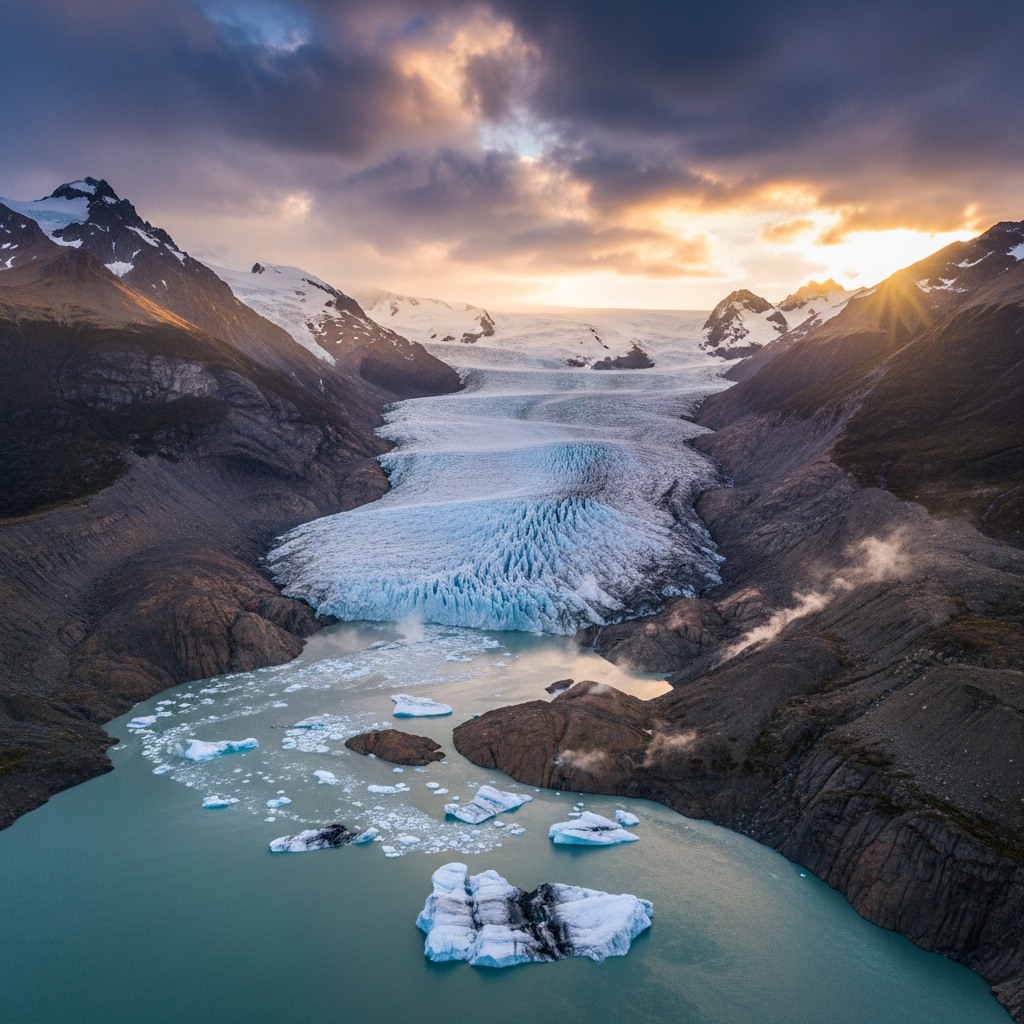
Glaciers have been a vital part of our planet's ecosystems for millions of years, playing a crucial role in regulating the Earth's climate and providing freshwater to millions of people around the world. However, the effects of climate change are causing glaciers to melt at an alarming rate, with devastating consequences for our planet's ecosystems and human societies.
The impact of climate change on glaciers is a complex and multifaceted issue. Rising global temperatures are causing glaciers to melt at a faster rate, leading to sea-level rise, changes in weather patterns, and disruptions to ecosystems. This, in turn, is affecting the availability of freshwater, impacting agriculture, and altering the distribution of plant and animal species.
One of the most significant effects of climate change on glaciers is the loss of biodiversity. As glaciers melt, the habitats of many plant and animal species are being destroyed, leading to extinction. This not only affects the species themselves but also has a ripple effect on the entire ecosystem, leading to changes in the food chain and potentially even more extinctions.
Another consequence of climate change on glaciers is the impact on human societies. As glaciers melt, the availability of freshwater is decreasing, leading to water scarcity and increased competition for this limited resource. This can have significant economic and social implications, particularly for communities that rely heavily on glaciers for their livelihoods.
Climate change is not only a global issue but also a local one. Communities that are heavily reliant on glaciers for their livelihoods are already feeling the effects of climate change. For example, in the Himalayas, the melting of glaciers is affecting the livelihoods of thousands of people who rely on them for agriculture, fishing, and other industries.
So, what can be done to mitigate the effects of climate change on glaciers? There are several steps that can be taken, including reducing greenhouse gas emissions, investing in renewable energy, and implementing sustainable land-use practices. Additionally, governments and organizations can work together to develop and implement climate-resilient infrastructure, such as sea walls and levees, to protect communities from the impacts of climate change.
In conclusion, the effects of climate change on glaciers are far-reaching and devastating. It is essential that we take immediate action to mitigate these effects and protect our planet's ecosystems for future generations. By working together, we can reduce greenhouse gas emissions, invest in renewable energy, and develop sustainable land-use practices that will help us to mitigate the effects of climate change on glaciers and protect our planet's ecosystems.
What's Your Reaction?