Climate Change and Glacier Loss: A Growing Concern in the Modern Era
Explore the alarming rate of glacier loss due to climate change, its consequences, and the need for immediate action
Climate Change and Glacier Loss: A Growing Concern
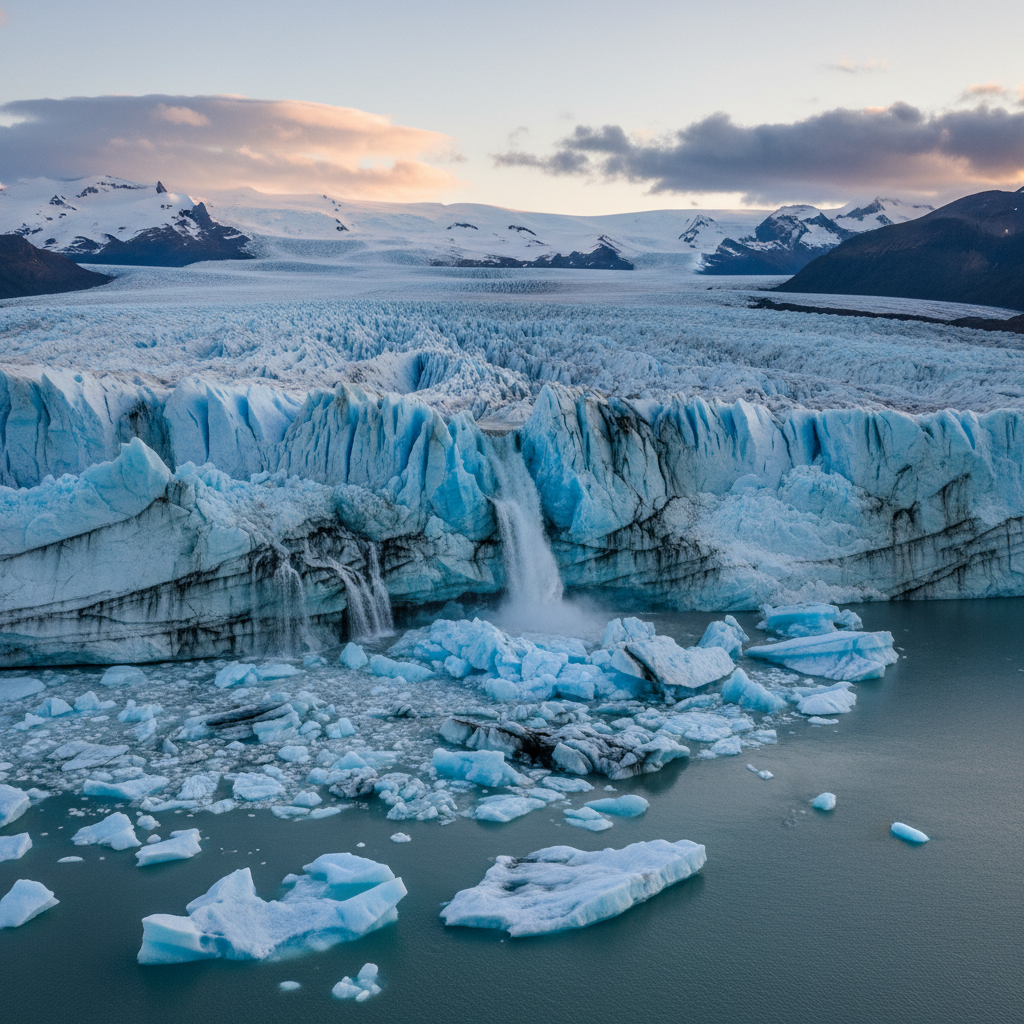
The Earth's climate has been undergoing drastic changes due to human activities and natural factors. One of the most alarming consequences of climate change is glacier loss, which is affecting the planet's ecosystems and contributing to rising sea levels. In this article, we will explore the causes and effects of glacier loss, the reasons behind the alarming rate of melting, and what can be done to mitigate this growing concern.
Glaciers play a crucial role in maintaining the Earth's climate balance. They store about 75% of the world's freshwater, regulate global sea levels, and influence local weather patterns. However, due to rising temperatures, glaciers have been melting at an unprecedented rate, leading to a significant loss of ice mass.
The rate of glacier loss has accelerated in recent decades due to increased greenhouse gas emissions, deforestation, and pollution. The consequences of glacier loss are far-reaching and devastating, including:
1. Sea-level rise: Melting glaciers contribute to rising sea levels, which can lead to coastal erosion, flooding, and saltwater intrusion into freshwater sources.
2. Disrupted ecosystems: Glacier loss affects local wildlife habitats, leading to changes in species composition and potentially even extinctions.
3. Changes in weather patterns: Glaciers influence local weather patterns, and their loss can lead to more frequent and intense weather events, such as heatwaves and droughts.
4. Impacts on water resources: Glacier loss can lead to reduced water availability, affecting agriculture, industry, and human consumption.
To mitigate glacier loss, it is essential to reduce greenhouse gas emissions, protect and restore natural ecosystems, and implement sustainable water management practices. Individuals can contribute by:
1. Reducing energy consumption and carbon footprint.
2. Supporting renewable energy sources and sustainable land use practices.
3. Conserving water and reducing waste.
4. Raising awareness about the importance of glacier conservation and the need for immediate action.
By working together, we can slow down glacier loss and mitigate its consequences. It is crucial to act now and take proactive steps to protect our planet's precious glaciers and the ecosystems they support.
What's Your Reaction?